
Vitamin B12 deficiency is genuinely common in older adults, up to 43% of adults over 65. Most of that risk comes not from diet but from a quiet, gradual decline in the body's ability to absorb B12 from food, plus the very common prescription medications (metformin, omeprazole, esomeprazole, famotidine) that further reduce absorption.
The symptoms, such as fatigue, neuropathy, balance changes, memory and concentration problems, overlap heavily with what families assume is "just aging" or early dementia.
The good news: oral B12 supplements work for most people, even those with mild absorption problems, if you choose the right form and the right delivery. For adults 60+, that means methylcobalamin (the bioactive form) delivered sublingually (under the tongue) at a dose of 1,000 to 5,000 mcg.
Medical & affiliate disclosure
This article is for educational purposes and is not medical advice. Dietary supplements are not evaluated by the FDA for safety or efficacy the way prescription medications are. Statements in this article have not been evaluated by the FDA. Products discussed are not intended to diagnose, treat, cure, or prevent any disease. Always consult your physician or pharmacist before starting any supplement, especially if you take prescription medications, have a chronic condition, or are over 65. Caring Village may earn a commission on purchases made through links in this article, and we recommend products independently of commission rates.
Not sure where to start?
Jump straight to the pick that matches the situation.
Top Picks Compared
| # | Product | Form | Dose & Delivery | Price/Day | Best For |
|---|---|---|---|---|---|
| 01 | 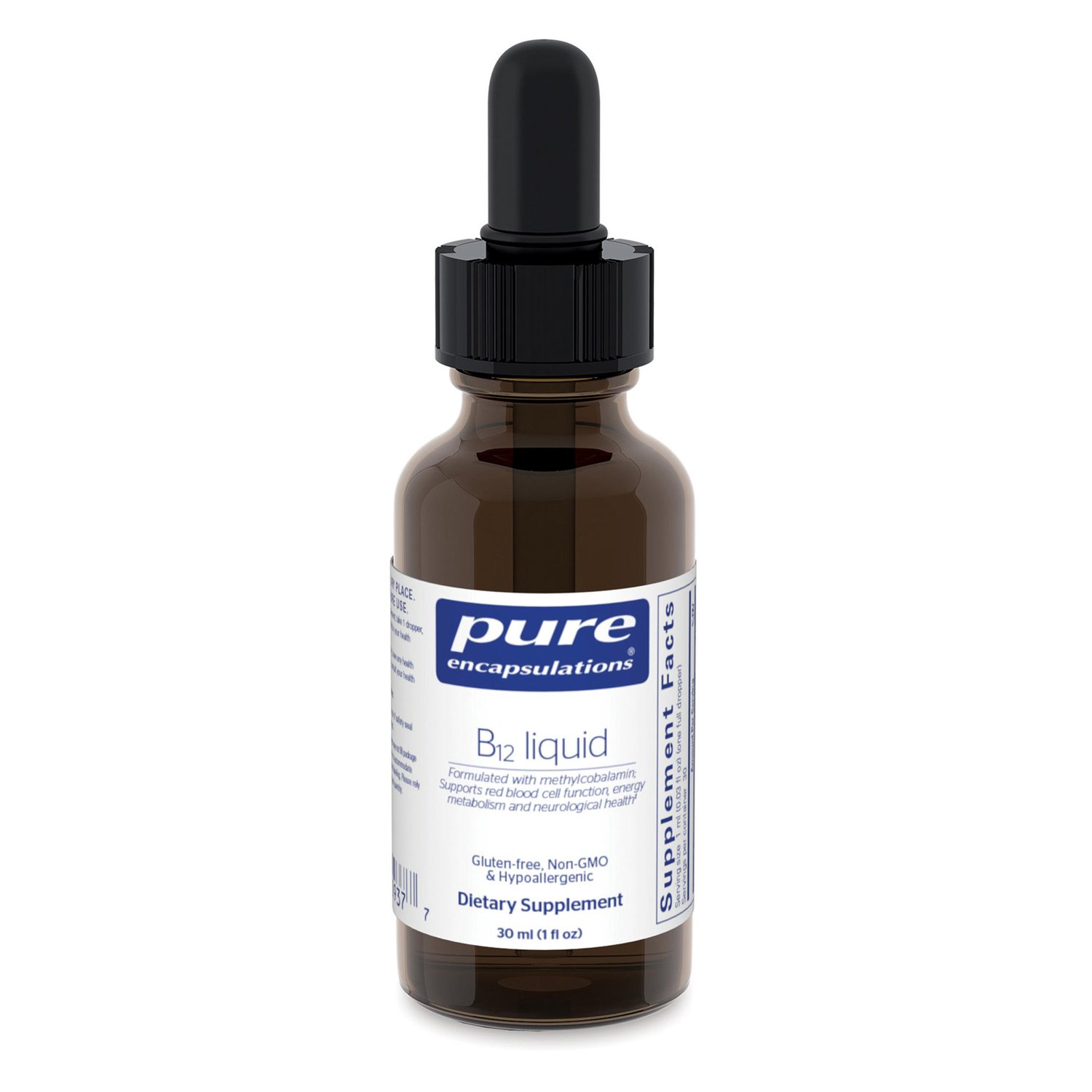 Pure Encapsulations B12 Liquid★ Best overall Pure Encapsulations B12 Liquid★ Best overall | Methylcobalamin | 1,000 mcg, oral liquid | ~$0.73 to $1.00 | Default for adults 60+ |
| 02 | 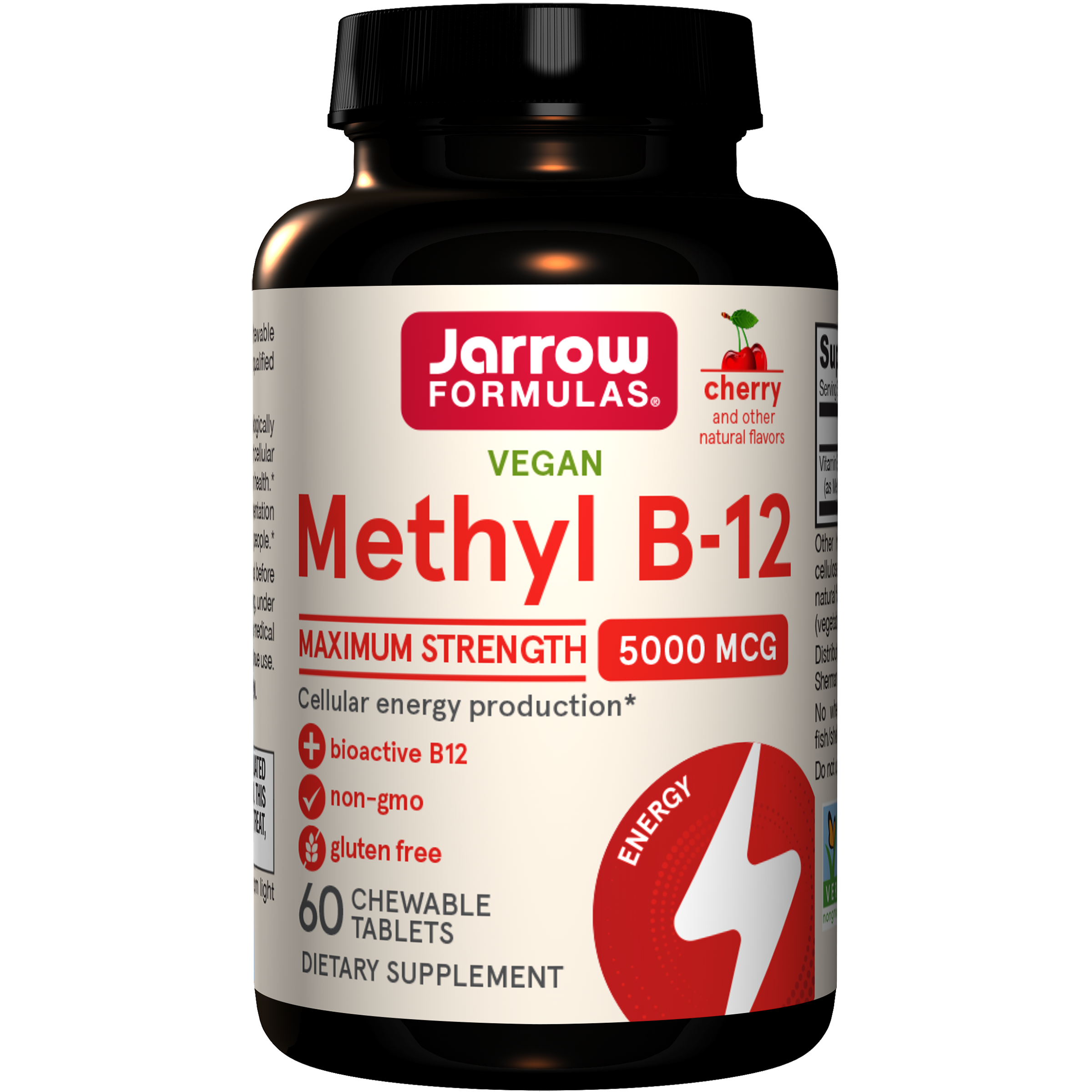 Jarrow Methyl B-12 5,000 mcgBest high-potency sublingual Jarrow Methyl B-12 5,000 mcgBest high-potency sublingual | Methylcobalamin | 5,000 mcg, sublingual lozenge | ~$0.44 to $0.46 | Repletion / severe absorption issues |
| 03 | 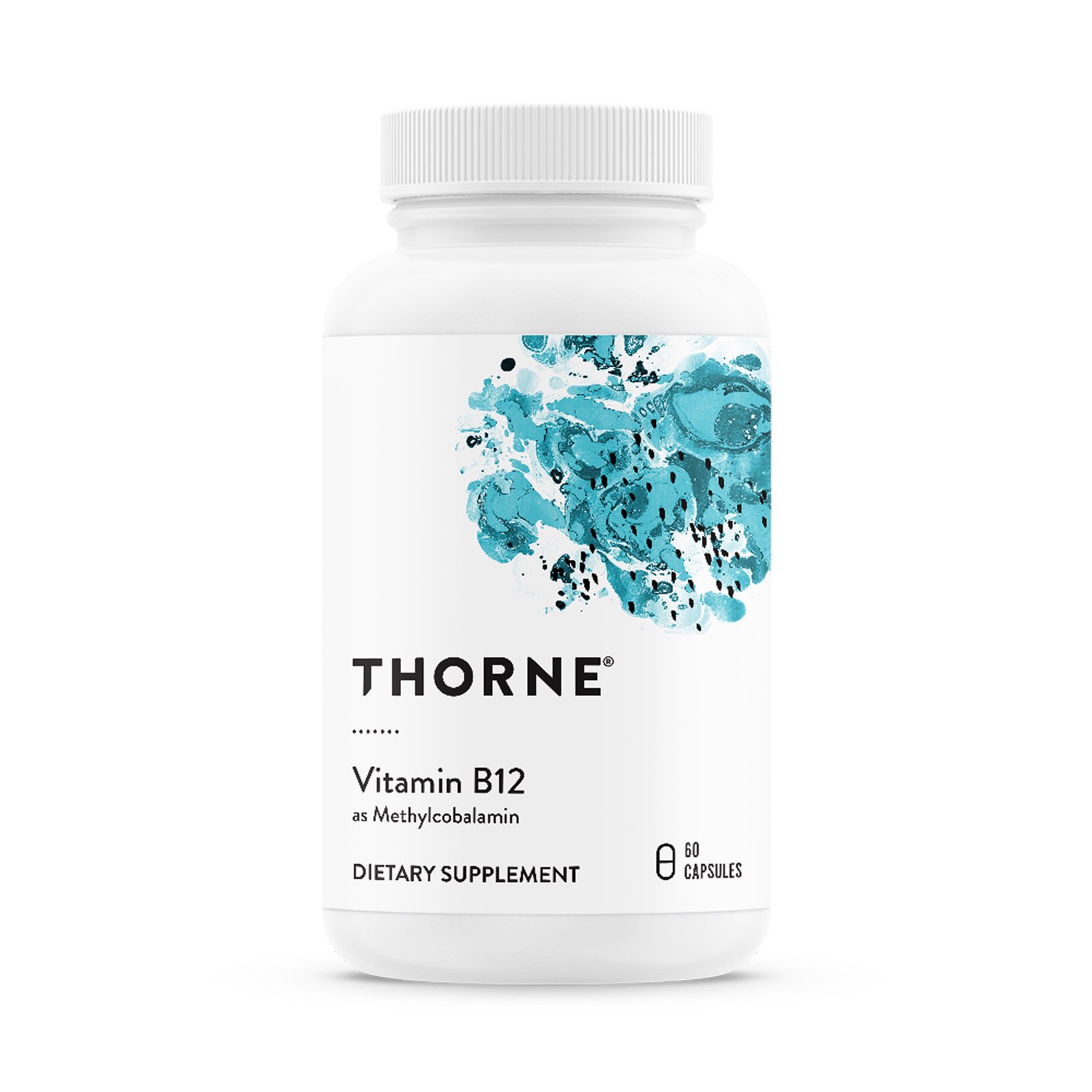 Thorne MethylcobalaminBest practitioner-grade tablet Thorne MethylcobalaminBest practitioner-grade tablet | Methylcobalamin | 1,000 mcg, swallowed capsule | ~$0.40 | Capsule preference, maximum QC |
| 04 | 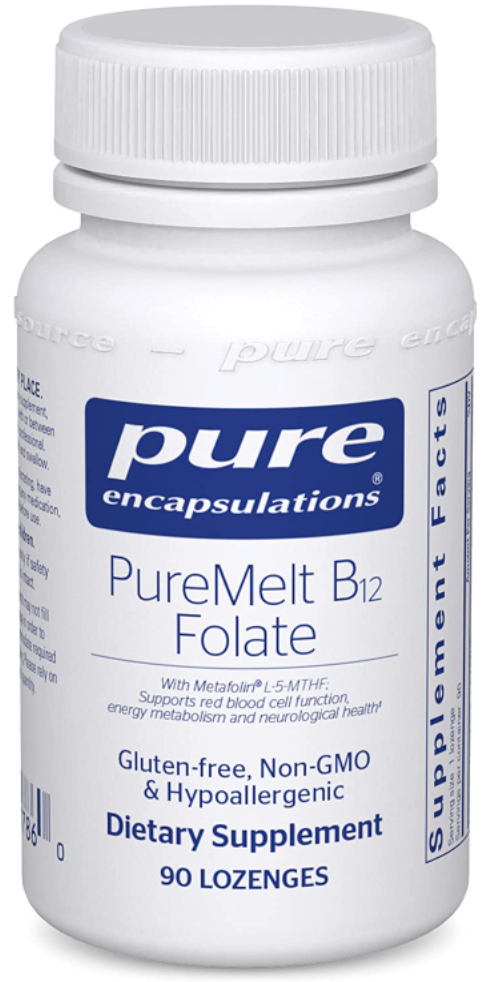 Pure Encapsulations B12 With FolateBest lozenge Pure Encapsulations B12 With FolateBest lozenge | Methylcobalamin + 5-MTHF | 1,000 mcg B12 + 400 mcg folate, sublingual lozenge | ~$0.28 | MTHFR variants, borderline folate |
| 05 | 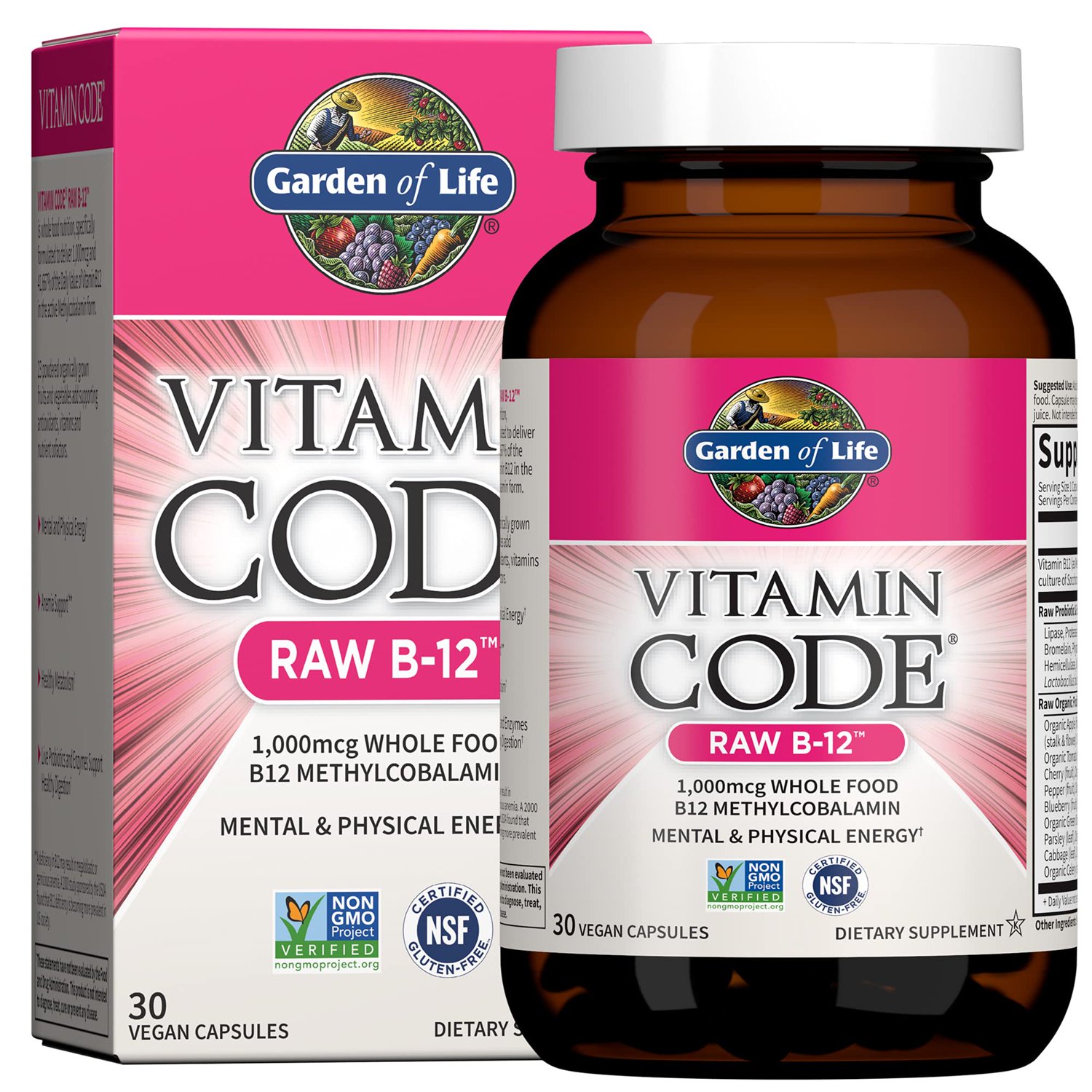 Garden of Life Vitamin Code B12Best vegan whole-food Garden of Life Vitamin Code B12Best vegan whole-food | Methylcobalamin | 1,000 mcg, swallowed capsule | ~$0.53 | Vegan, organic priority |
| 06 | 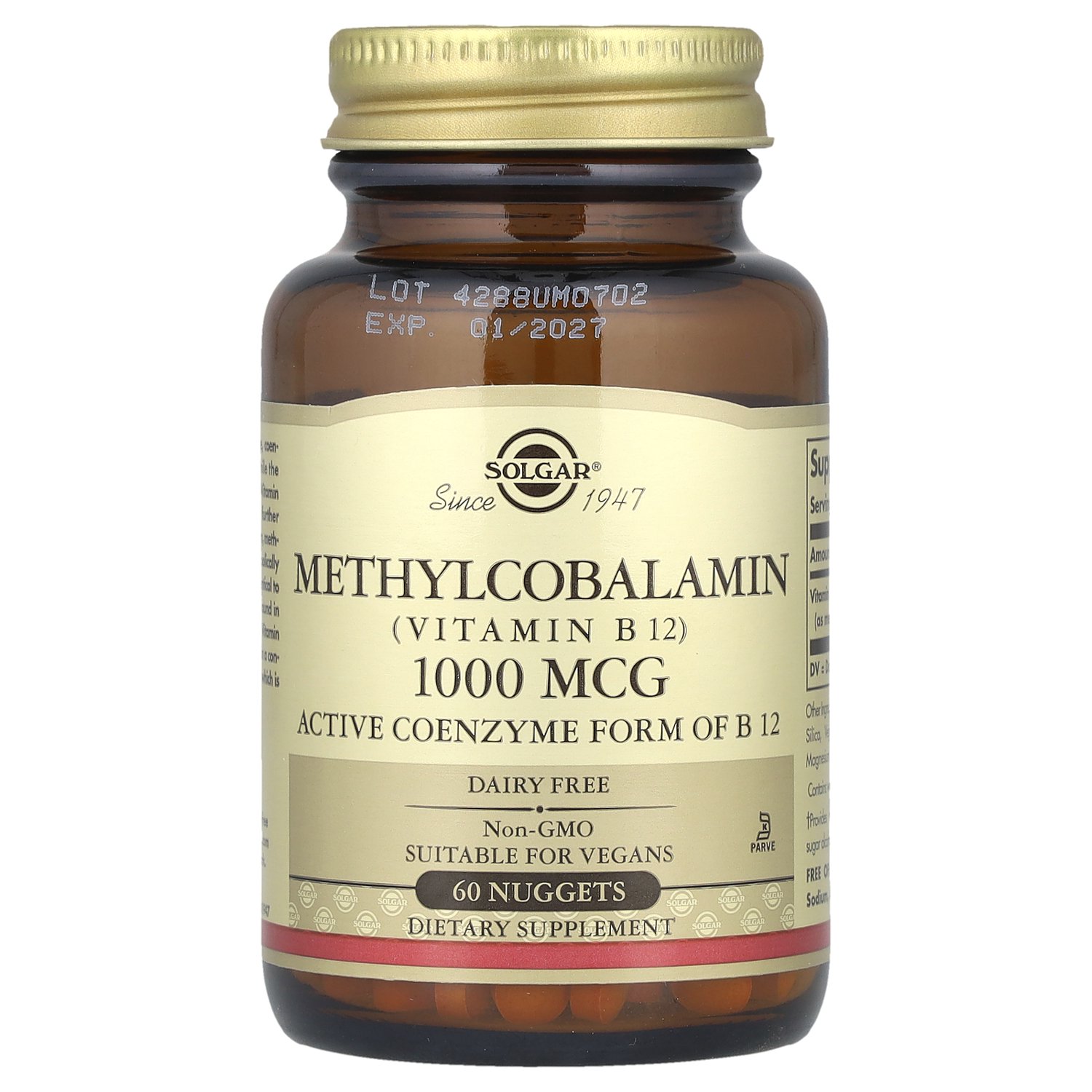 Solgar Methylcobalamin NuggetsBest budget methylcobalamin Solgar Methylcobalamin NuggetsBest budget methylcobalamin | Methylcobalamin | 1,000 / 5,000 mcg, sublingual nugget | ~$0.14 to $0.33 | Budget methylcobalamin |
| 07 | 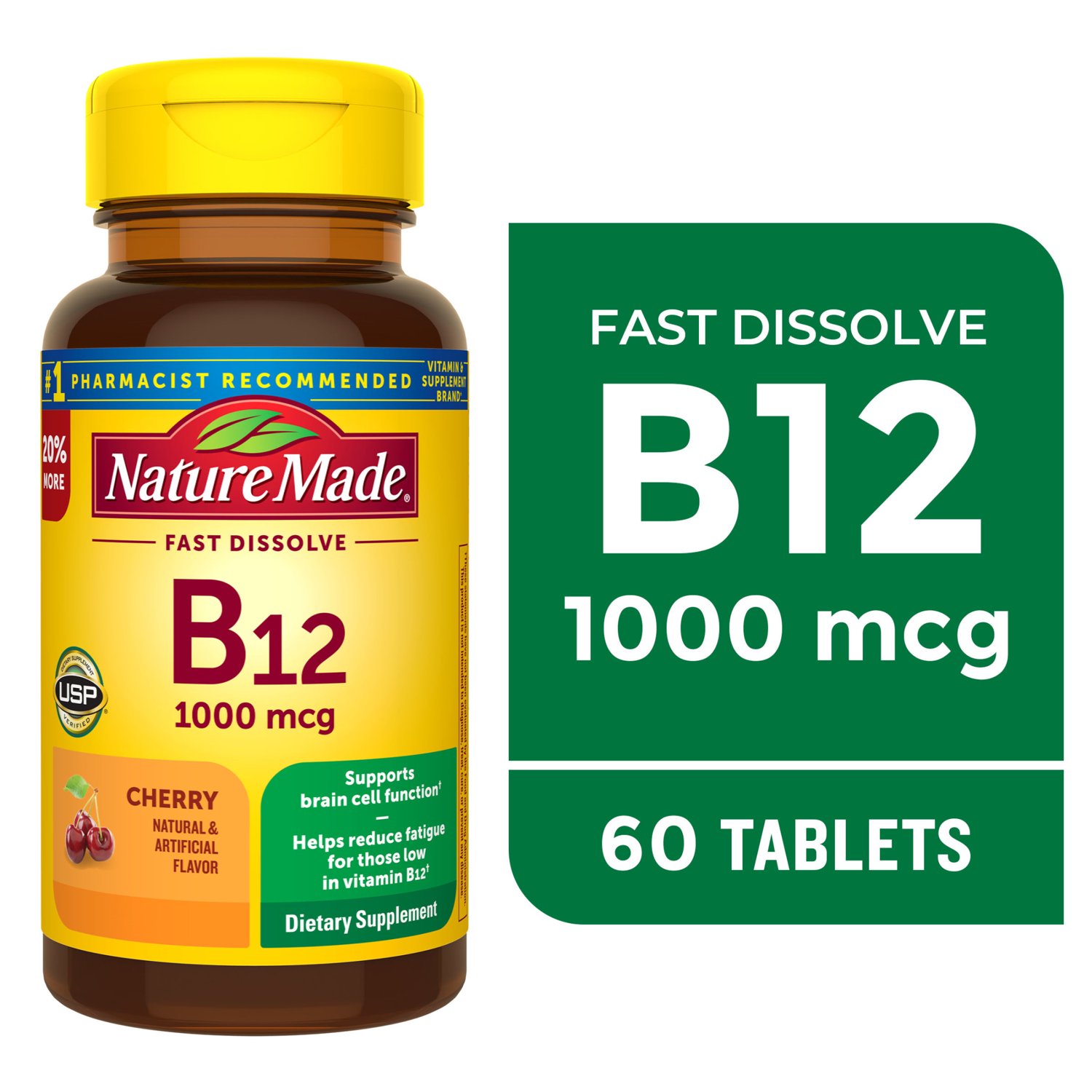 Nature Made SublingualBest budget pick Nature Made SublingualBest budget pick | Cyanocobalamin | 1,000 mcg, sublingual quick-dissolve | ~$0.24 to $0.31 | Tight budget with USP cert |
All pricing verified July 2026. Subject to change, check current price at the linked retailer.
How We Evaluated These B12 Picks
We reviewed 28 retail and practitioner-grade B12 products based on manufacturer specifications, third-party certifications, and label transparency. Our selections prioritize bioactive methylcobalamin in sublingual formats with clear, exact dosing.
We do not recommend transdermal B12 patches (including PatchAid). The evidence base for transdermal B12 absorption is weak, well-conducted oral and sublingual studies show dramatically better absorption, and the patches cost more per effective dose.
The Top Picks, Reviewed
Seven B12 supplements, evaluated and ranked for adults 60+ and the caregivers who support them.
Pure Encapsulations B12 Liquid
★ Best overall
- Form & DoseMethylcobalamin (1,000 mcg per 1 mL dropper)
- Servings30 servings per 30 mL bottle
- Price Per Day~$0.73 to ~$1.00
- Best ForAdults 60+ and those on metformin, PPIs, or H2 blockers
Verified July 2026
Pure Encapsulations is a practitioner-grade brand stocked in clinical and integrative-medicine settings. The B12 Liquid is a top pick because it combines an active form (methylcobalamin), liquid delivery, and clear single-ingredient labeling.
What we like
- Easy to dose-adjust by adding or removing drops
- Hypoallergenic, vegan, gluten-free with no artificial sweeteners or colors
- No swallowing required; easy liquid delivery
What to consider
- Mild taste; not fruit-flavored
- Dropper-based dosing is slower than a lozenge for someone with hand tremor
Jarrow Formulas Methyl B-12 5,000 mcg
Best high-potency sublingual
- Form & DoseMethylcobalamin (5,000 mcg per lozenge)
- Servings60 lozenges per bottle
- Price Per Day~$0.44 to ~$0.46
- Best ForHigher-potency repletion; severe absorption issues
Verified July 2026
Jarrow has produced a 5,000 mcg methylcobalamin sublingual lozenge for over a decade and the product is among the most commonly recommended in integrative-medicine practice.
We list it as our high-potency pick for two specific scenarios: anyone with documented deficiency working to replete liver stores, and anyone whose absorption is significantly compromised (long-term metformin + PPI combination, post-bariatric surgery, atrophic gastritis on biopsy).
What we like
- 5,000 mcg in a single lozenge, meaningful overhead for compromised absorption
- Cherry flavor is pleasant; lozenge dissolves in 1 to 3 minutes
- Widely stocked at major retailers with a strong reputation among integrative-medicine clinicians
What to consider
- Cherry flavor uses xylitol, keep away from dogs (xylitol is toxic to dogs even in small amounts)
- Not USP or NSF certified; relies on internal QC
Thorne Methylcobalamin
Best practitioner-grade tablet
- Form & DoseMethylcobalamin (1,000 mcg per capsule)
- Servings60 capsules per bottle
- Price Per Day~$0.40
- Best ForCapsule preference, maximum quality control
Verified July 2026
Thorne is one of the most respected practitioner-grade supplement brands and one of the few that operates a TGA-registered manufacturing facility (the Australian regulator's pharmaceutical-grade standard). For caregivers who want maximum quality-control confidence and prefer a capsule format, this is the pick.
What we like
- Pharmaceutical-grade manufacturing standards
- Clean label, methylcobalamin, leucine, microcrystalline cellulose, and silicon dioxide; no fillers or dyes
- Trusted by mainstream integrative-medicine practices
What to consider
- Capsule format is swallowed, which is less ideal than sublingual for adults 60+ with reduced stomach acid
- Higher price per day than mass-market brands
Pure Encapsulations B12 With Folate
Best lozenge
- Form & DoseMethylcobalamin + L-5-methylfolate (Metafolin), 1,000 mcg B12 + 400 mcg folate per lozenge
- Servings90 lozenges per bottle
- Price Per Day~$0.28
- Best ForMTHFR variants, borderline folate
Verified July 2026
The same brand as our top pick, in a lozenge form that adds the bioactive form of folate. Folate and B12 work together in the methylation cycle; deficiency in one can mask the other in lab testing.
The L-5-methylfolate (rather than synthetic folic acid) is the version your body uses without conversion, a meaningful choice for the 25 to 40% of people with MTHFR variants.
What we like
- Methylcobalamin + L-5-methylfolate, both bioactive
- Pleasant taste (berry, cherry, and vanilla), dissolves quickly without requiring water
- Sugar-free; suitable for diabetics
What to consider
- Contains xylitol (from wood pulp), which requires standard precautions around pets
- The added folate is appropriate for most adults but should be reviewed if you are on methotrexate (which interacts with folate antagonism intentionally)
Garden of Life Vitamin Code Raw B12
Best vegan whole-food
- Form & DoseMethylcobalamin (1,000 mcg per capsule)
- Servings30 capsules per bottle
- Price Per Day~$0.53
- Best ForVegan, organic priority
Verified July 2026
For caregivers shopping specifically for a certified organic, whole-food vegan B12, particularly for an older adult on a plant-based diet, Garden of Life remains the strongest pick in this space. The Raw line is fermented from probiotic cultures and contains a small amount of food-derived enzymes alongside the methylcobalamin.
What we like
- Methylcobalamin in a vegan, certified organic, non-GMO format
- No binders, fillers, or artificial ingredients
- Includes digestive enzymes and probiotics that may support absorption
What to consider
- Swallowed capsule, not sublingual, for adults 60+ with absorption concerns, a liquid option is still the stronger choice
- The "Raw" / probiotic positioning is marketing-led; the clinical relevance of the additional ingredients to B12 absorption is unestablished
Solgar Methylcobalamin Nuggets
Best budget methylcobalamin
- Form & DoseMethylcobalamin (1,000 mcg or 5,000 mcg per nugget)
- Servings60 nuggets per bottle
- Price Per Day~$0.14 (for 1,000 mcg) to ~$0.33 (for 5,000 mcg)
- Best ForBudget methylcobalamin
Verified July 2026
Solgar has been making vitamins since 1947 and the Methylcobalamin Nuggets are widely stocked at independent pharmacies, Vitamin Shoppe, Amazon, and Walmart. Strong methylcobalamin formulation at a more accessible price than the practitioner-grade picks.
What we like
- True methylcobalamin at a mass-market price
- Two strengths (1,000 and 5,000 mcg), fits both maintenance and repletion doses
- Cherry flavor is pleasant; sugar-free with a long-established brand reputation
What to consider
- Not third-party certified to USP or NSF standards
- Contains mannitol (sugar alcohol) which can cause GI upset in sensitive individuals
Nature Made Sublingual
Best budget pick
- Form & DoseCyanocobalamin (1,000 mcg per fast-dissolve tablet)
- Servings50 tablets per bottle
- Price Per Day~$0.24 to ~$0.31
- Best ForTight budget with USP cert
Verified July 2026
Included against our usual preference for methylcobalamin because: (a) it's USP-verified, a meaningful third-party quality certification that most pricier brands don't carry, and (b) the sublingual delivery still bypasses much of the stomach-acid absorption problem.
And (c) for someone who would otherwise not supplement at all, an affordable USP-verified cyanocobalamin product is meaningfully better than no B12.
What we like
- USP Verified, independently tested for identity, potency, contaminants
- Sublingual quick-dissolve format
- Widely available
What to consider
- Cyanocobalamin, not methylcobalamin, the form we'd otherwise avoid for adults 60+
- The previous version was a B12 gummy; the sublingual is the upgrade as gummy B12 is less ideal because the dose is lower and dissolution happens after swallowing
- Contains mannitol and sucralose (sugar alcohols and artificial sweeteners)
Should We Even Be Supplementing? A Caregiver Triage
Before buying anything, work through this checklist.
When to Suspect Vitamin B12 Deficiency
Vitamin B12 deficiency is frequently misattributed to dementia, depression, or standard aging. Because early detection can reverse symptoms before permanent nerve damage occurs, a clinical workup is warranted if a patient exhibits any of the signs below.
High-Risk Profiles
The threshold for testing should be lower if the individual falls into any of these categories:
- Age 60 or older
- Long-term use of metformin or proton pump inhibitors (PPIs)
- Strict vegetarian or vegan diet
- Family history of pernicious anemia or autoimmune disease
Key Clinical Symptoms
Neurological and cognitive: tingling, numbness, or a "pins and needles" sensation in the hands or feet; unsteady gait, balance changes, or frequent tripping; new or worsening short-term memory complaints; persistent brain fog and difficulty concentrating.
Physical and hematological: chronic, unexplained fatigue; shortness of breath or a rapid heartbeat (signs of anemia); pale skin or mild jaundice; a sore, smooth, or swollen "beefy" red tongue.
Psychological: sudden mood shifts, irritability, or low mood.
If you're new to managing supplements and medications for an aging parent, our Caregiving 101 Checklist covers the broader set of decisions worth thinking through alongside this one.
The Diagnostics Trap
The core challenge with B12 deficiency is that it mimics early-stage dementia. Misdiagnosing a metabolic deficiency as cognitive decline misses a critical window for corrective treatment. If these symptoms appear, prioritizing a B12 blood test is a necessary first step.
Our Dementia 101 Checklist is useful in parallel, it covers what to look for if cognitive symptoms persist after B12 has been ruled out.
What to Ask the Clinician to Test
A standard serum B12 blood test misses approximately 25% of functional deficiencies. Your total B12 levels can appear within the normal range even when your body is failing to process the vitamin effectively at a cellular level. For a complete picture, ask the clinician to run:
| Test Name | What It Measures | Clinical Significance |
|---|---|---|
| Serum Vitamin B12 | Total circulating B12 in the blood. | The standard initial screening tool; can show false normals. |
| Methylmalonic Acid (MMA) | A metabolic byproduct that builds up when cellular B12 is low. | The most specific marker. High levels indicate a functional deficiency, even if serum B12 looks normal. |
| Homocysteine | An amino acid that elevates when B12 or folate is deficient. | A helpful, broader marker of metabolic dysfunction. |
| Complete Blood Count (CBC) with MCV | Red blood cell size and health. | Checks for macrocytic anemia (abnormally large red blood cells). |
| Folate Level | Circulating vitamin B9. | Essential to check alongside B12, as a folate deficiency can mimic or mask B12 anemia. |
Interpreting the results. The classic deficiency indicator: if both your MMA and homocysteine levels are elevated but your folate is normal, you likely have a functional B12 deficiency. This remains true even if your standard serum B12 test comes back flagged as normal.
Next steps. If your clinician only orders a standard serum B12 test, explicitly request that MMA and homocysteine be added to ensure a complete metabolic profile. If you're preparing for the appointment, our Doctor's Visit Checklist walks through how to bring up additional labs without sounding adversarial.
The Four Forms of B12
Walk into a pharmacy and you'll see four cobalamin forms on the shelves. The differences matter more for older adults than for the general population.
Methylcobalamin
The bioactive methyl form is already in the shape your body uses, no conversion needed. This is the recommended form for adults 60+. Skip cyanocobalamin unless cost is a hard constraint (the premium for methylcobalamin is real but modest, running $0.10 to $0.40 per day).
A meta-analysis of randomized controlled trials found it effective for peripheral neuropathy, the single B12-related symptom older adults are most likely to present with. It is also retained longer in tissues than cyanocobalamin.
Cyanocobalamin
The synthetic form is the cheapest, most stable, and used in the majority of mass-market supplements (including most multivitamins). The body must convert it to bioactive methylcobalamin and adenosylcobalamin before cells can use it.
Conversion is fine for most healthy younger adults, but can be less efficient in people with MTHFR genetic variants (an estimated 25 to 40% of the population carries at least one variant), people with liver function decline (more common with age), and smokers and former smokers. For seniors, the case to skip the conversion step entirely is reasonable.
Adenosylcobalamin (Dibencozide)
The other bioactive form is used in cellular energy metabolism (the mitochondrial pathway). Some products pair methylcobalamin and adenosylcobalamin together, which is a reasonable approach to cover both major active forms. Standalone adenosylcobalamin is less commonly stocked.
Hydroxocobalamin
The precursor form is usually given by injection. It's the standard in many European countries for treating deficiency, and is also used IV as an antidote for cyanide poisoning. It's less common as an oral supplement in the US.
How B12 Works and Why Seniors Are Vulnerable
Vitamin B12 (cobalamin) is a water-soluble nutrient essential for red blood cell formation, DNA synthesis, and maintaining the myelin sheath that insulates and protects nerves.
Because the liver stores a 3-to-5-year reserve of B12, depletion happens gradually. This slow decline is the primary reason deficiencies in older adults frequently go unnoticed until symptoms are well established.
The Absorption Problem in Adults 60+
Absorbing B12 from food is a two-step process. First, stomach acid separates B12 from the protein it's bound to in food. Second, intrinsic factor, a protein made by stomach cells, binds the freed B12 so it can be absorbed in the small intestine.
Both steps fail more often with age. Stomach acid declines with age in many adults, a condition called hypochlorhydria or, when more severe, atrophic gastritis. A recent autopsy study found atrophic gastritis in roughly every second individual aged 70+ years. Less acid means less B12 freed from food.
Intrinsic factor production declines alongside stomach acid changes. In autoimmune pernicious anemia, the immune system actively destroys the intrinsic-factor-producing cells.
The combined effect: even when dietary B12 intake is adequate, absorption from food can drop to a fraction of what it was at 40.
The strategy. This is why we lead this guide with sublingual delivery and high doses. Sublingual absorption is at least partially passive, it doesn't require stomach acid or intrinsic factor, and high doses leverage a small passive-diffusion absorption pathway that operates independently of the intrinsic factor system.
Delivery Methods: Pros and Cons
Important: consult a primary care provider before starting supplements. Potential side effects include rash, swelling of the face and tongue (very rare), nausea, diarrhea, and headache.
| Delivery Method | Advantages | Disadvantages |
|---|---|---|
| Oral (Pills & Lozenges) | Prefilled pill dispensers help with compliance. Lozenges usually taste very good, which also aids compliance. | Not a good choice for clients who have difficulty swallowing pills or issues with other oral routes. |
| Vitamin B12 Injections | Only needs to be administered 1 to 2 times a week, which helps with compliance. A good alternative when compliance may be an issue. | Requires a prescription. Requires weekly office visits or a skilled caregiver to administer. |
| Nasal Spray | A good alternative to injections. Goes directly into the bloodstream. | Prescription required. |
| Transdermal Patch | Apply directly to the skin, wait 8 hours, remove. Good for those with impaired swallowing or Alzheimer's/dementia patients. | Can place out of range of removal. Some people find the adhesive irritating to the skin. |
Sublingual (Dissolves Under the Tongue)
How it works: absorbs directly through the mouth's blood vessels, bypassing the stomach. The remaining portion is swallowed and absorbed via passive diffusion (does not require intrinsic factor).
Why it's the gold standard for 60+: improves absorption for adults over 60 who have reduced stomach acid or impaired intrinsic factor.
A 2003 randomized trial found 500 mcg of sublingual cobalamin as effective as an oral dose for restoring B12 status, including in deficient patients. A subsequent randomized controlled trial reaffirmed this comparable efficacy in adults.
Takeaway: noticeably better for adults with reduced stomach acid or intrinsic factor issues, affordable (costs roughly the same as standard tablets), and the safest default choice for adults 60+.
Why Supplement Doses (1,000+ mcg) Outpace the RDA (2.4 mcg)
The RDA baseline: the Recommended Dietary Allowance for adults is 2.4 mcg, which relies on a fully functioning stomach acid and intrinsic factor pathway.
The absorption barrier: in adults with impaired or reduced intrinsic factor, normal absorption drops significantly. Instead, the body relies on passive diffusion, which only absorbs roughly 1% of an oral dose.
The math: a high dose of 1,000 mcg yields about 10 mcg of absorbed B12 via passive diffusion alone, safely meeting daily needs before accounting for any direct sublingual absorption. This is why standard supplements range from 500 to 5,000 mcg.
Safety and toxicity: vitamin B12 is water-soluble, and excess amounts are excreted in urine. The NIH Office of Dietary Supplements has established no Tolerable Upper Intake Level (UL), meaning these high label doses do not pose the safety risks their large numbers might suggest.
Medication Interactions With Vitamin B12
The following common medications impair B12 absorption, often quietly over several years. If your parent takes any of these, ask their prescriber to check B12, MMA, and homocysteine levels at their next visit.
Keeping an accurate, up-to-date list (the right tools for medication management make this easier) helps the prescriber spot these interactions in the first place.
Metformin (Glucophage)
Used for type 2 diabetes. The risk: lowers B12 levels in a dose-dependent manner. Key detail: B12 deficiency symptoms overlap completely with diabetic neuropathy, so always check B12 levels before accepting a neuropathy diagnosis. The American Diabetes Association recommends periodic monitoring, especially if anemia or nerve pain is present.
Proton Pump Inhibitors (PPIs)
Common examples: omeprazole (Prilosec), esomeprazole (Nexium), pantoprazole (Protonix), lansoprazole (Prevacid), rabeprazole (AcipHex). The risk: suppressing stomach acid blocks the first step of B12 absorption from food. Timeline: taking PPIs for two or more years significantly increases deficiency risk.
H2 Blockers
Common examples: famotidine (Pepcid), cimetidine (Tagamet), nizatidine (Axid). The risk: similar to PPIs, they lower stomach acid and reduce absorption, though the effect is typically milder.
Other Medications to Note
- Chronic alcohol use. Impairs both dietary intake and intestinal absorption.
- Colchicine (gout). Damages the intestinal lining, reducing absorption over time.
- Nitrous oxide (dental/surgical anesthesia). Inactivates existing B12, which can trigger severe neurological symptoms in someone who is already borderline deficient.
- Bile-acid sequestrants. Medications like cholestyramine can bind to B12 and reduce its uptake.
Foods Rich in B12
Supplements complement a balanced diet rather than replacing it. Excellent natural and fortified sources of vitamin B12 include:
- Clams. The highest B12 concentration of any common food.
- Meats. Beef and beef liver.
- Wild-caught fish. Salmon, trout, tuna, herring, and sardines.
- Dairy and eggs. Milk, yogurt, cheese, and eggs.
- Fortified foods. Fortified breakfast cereals and nutritional yeast (the most practical option for vegans).
The absorption caveat: for older adults, low absorption is typically the primary driver of deficiency rather than low dietary intake. A 75-year-old individual eating eggs and seafood weekly can still develop a deficiency if age-related changes or medications compromise stomach acid and intrinsic factor.
Frequently Asked Questions
What is the best B12 vitamin for seniors?
For most adults 60+, a sublingual methylcobalamin at 1,000 mcg daily is the right default. Our top pick is Pure Encapsulations B12 Liquid (methylcobalamin, single-ingredient, third-party tested). For someone with documented deficiency, on long-term metformin or a PPI, or with confirmed absorption problems, step up to a higher-potency option like Jarrow Methyl B-12 5,000 mcg under a clinician's guidance.
Methylcobalamin or cyanocobalamin, which is better for older adults?
Methylcobalamin is our recommendation for adults 60+. It's the bioactive form (no conversion required), retains longer in tissues, and a meta-analysis of randomized controlled trials found mecobalamin (methylcobalamin) effective for peripheral neuropathy. Cyanocobalamin works and is cheaper; if the only choice is between cyanocobalamin and no supplement at all, take the cyanocobalamin. But if budget allows, the methyl form is the better fit.
Can I get enough B12 from food alone after 60?
For most healthy adults under 60, yes. For adults 60+, diet alone often is not enough even if intake is high, because absorption, not intake, is the limiting factor. Atrophic gastritis is common in older adults and quietly reduces B12 absorption from food. Adults on metformin or long-term PPIs are at additional risk regardless of diet. A clinician check (serum B12, MMA, homocysteine) tells you where you actually stand.
My parent takes metformin. Should they take B12?
Probably, and the prescriber should be testing B12 periodically. Long-term metformin treatment is associated with reduced serum B12 in a dose- and duration-dependent manner. The American Diabetes Association recommends periodic B12 monitoring in patients on metformin, with annual monitoring for those on metformin more than 4 years. Symptoms of B12 deficiency (neuropathy, fatigue, memory changes) overlap with what gets labeled "diabetic neuropathy", make sure B12 has been checked before that label is accepted.
My parent takes omeprazole (or another PPI). Same question?
Same answer. PPIs reduce stomach acid, which impairs the first step of B12 absorption from food. The risk rises with duration of use, two or more years of PPI use is associated with meaningfully increased B12 deficiency risk. For older adults on long-term PPIs, periodic B12 monitoring is appropriate and a daily sublingual methylcobalamin is a reasonable preventive measure to discuss with the prescriber.
Sublingual or pill, does it matter?
For adults under 60 with normal absorption, both work well. For adults 60+, and especially anyone with reduced stomach acid, atrophic gastritis, post-bariatric surgery, or on metformin/PPIs, sublingual is the lower-risk default because at least some of the dose absorbs through the oral mucosa directly, bypassing the stomach.
Should I take B12 injections instead?
For most older adults with mild-to-moderate deficiency, no, high-dose oral or sublingual B12 corrects deficiency as well as injections in randomized trials. Injections are reserved for severe neurological involvement, acute pernicious anemia, or any patient where oral compliance is unreliable. Most caregivers reading this article should start with sublingual methylcobalamin and confirm response with repeat lab testing in 8 to 12 weeks.
Are there any side effects?
B12 is well-tolerated. Reported side effects from supplementation are rare and usually mild: occasional nausea, headache, or mild rash. Very high doses (above 5,000 mcg daily, long-term) have been associated with acne flares in some people. There is no established Tolerable Upper Intake Level. Anyone with kidney disease should discuss dose with their nephrologist.
About the experts

Brooke Lounsbury, RN has over 26 years of nursing experience with a primary focus on Home Health and Hospice. Her work with patients and families across that period, particularly the strain she observed in caregivers, prompted her to start a support group for caregivers in her area. Brooke creates continuing education courses for nurses and other healthcare professionals at PedagogyEducation.com, a nationally accredited provider of continuing nurse education, on digestive health, sleep hygiene, and the effects of technology on health. She has written for Jase Medical and The Wellness Company on adult and senior health topics.
Connect on LinkedIn
Dan Fogarty, M.A., FACHE has more than 12 years of experience in healthcare management and strategic communication. Dan earned his Master's in Health Communication from Johns Hopkins University and served as Chief Administrative Officer of the NIH Clinical Center and Chief Intramural AO for the National Heart, Lung and Blood Institute for 12 years. He is currently Senior Advisor for Strategic Operations, Management and Technology for SAMHSA, a Fellow of the American College of Healthcare Executives (FACHE, 2021), and Adjunct Faculty at Massachusetts College of Pharmacy and Health Sciences (MCPHS).
Connect on LinkedInReferences
- Allen LH. How common is vitamin B-12 deficiency? Am J Clin Nutr. 2009;89(2):693S-696S.
- Carmel R. Diagnosis and management of clinical and subclinical cobalamin deficiencies. Biochimie. 2013;95(5):1047-1055.
- Stabler SP. Vitamin B12 deficiency. N Engl J Med. 2013;368(2):149-160.
- Wang H, Li L, Qin LL, et al. Oral vitamin B12 versus intramuscular vitamin B12 for vitamin B12 deficiency. Cochrane Database Syst Rev. 2018;3(3):CD004655.
- Bolaman Z, Kadikoylu G, Yukselen V, et al. Oral versus intramuscular cobalamin treatment in megaloblastic anemia. Clin Ther. 2003;25(12):3124-3134.
- Common occurrence of atrophic gastritis in an ageing non-hospitalised population: an autopsy study. Age Ageing. 2025;54(3):afaf047.
- Liew SC, Gupta ED. Methylenetetrahydrofolate reductase (MTHFR) C677T polymorphism. Eur J Med Genet. 2015;58(1):1-10.
- Sawangjit R, Thongphui S, Chaichompu W, Phumart P. Efficacy and Safety of Mecobalamin on Peripheral Neuropathy. J Altern Complement Med. 2020;26(12):1117-1129.
- Obeid R, Fedosov SN, Nexo E. Cobalamin coenzyme forms. Mol Nutr Food Res. 2015;59(7):1364-1372.
- Sharabi A, Cohen E, Sulkes J, Garty M. Replacement therapy for vitamin B12 deficiency: comparison between the sublingual and oral route. Br J Clin Pharmacol. 2003;56(6):635-638.
- Yazaki Y, Chow G, Mattie M. A single-center, double-blinded, randomized controlled study to evaluate the relative efficacy of sublingual and oral vitamin B-complex administration. J Altern Complement Med. 2006;12(9):881-885.
- Liu Q, Li S, Quan H, Li J. Vitamin B12 status in metformin treated patients: systematic review. PLoS One. 2014;9(6):e100379.
- American Diabetes Association Professional Practice Committee. Standards of Care in Diabetes 2026. Diabetes Care. 2026;49(Suppl 1):S50.
- Lam JR, Schneider JL, Zhao W, Corley DA. Proton pump inhibitor and histamine 2 receptor antagonist use and vitamin B12 deficiency. JAMA. 2013;310(22):2435-2442.
- National Institutes of Health Office of Dietary Supplements. Vitamin B12, Fact Sheet for Health Professionals.
A reminder. Statements in this article have not been evaluated by the FDA. Products discussed are not intended to diagnose, treat, cure, or prevent any disease. Always consult your healthcare provider before starting any supplement. If you experience an adverse reaction to a dietary supplement, report it to the FDA's Safety Reporting Portal.