Most people land on this page in one of three very different situations, and the right tracker is different for each. Before the reviews, here's the decision most readers are actually trying to make.
Start here: which tracker is right for you?
Three branches, three different answers. Jump to the one that fits.
The Decision Tree
Are you tracking someone with dementia or a wandering risk? Yes. You need a cellular tracker that can't be easily removed. Best options: GPS SmartSole (hidden in the shoe), AngelSense (locked, tamper-proof), Theora Connect (smartwatch with locking clasp), Jiobit (clipped under clothing). Geofencing alerts and real-time location are non-negotiable here.
If you're newly navigating a dementia diagnosis, our Dementia 101 Checklist covers the broader set of decisions that usually come up in the first few weeks.
Are you tracking an independent parent for peace of mind? A smartwatch-style tracker with an SOS button is the right fit, visible, useful, and respects autonomy. Best options: Theora Connect, MG Move, Bay Alarm Medical Mobile.
Are you worried about driving safety, not the person? An in-car OBD-II GPS is the tool, not a wearable. We don't review those in this guide, see Bouncie, MOTOsafety, or LandAirSea 54 for that use case.
Our 8 Top Picks at a Glance
| # | Product | Device | Monthly | Best For |
|---|---|---|---|---|
| 01 | 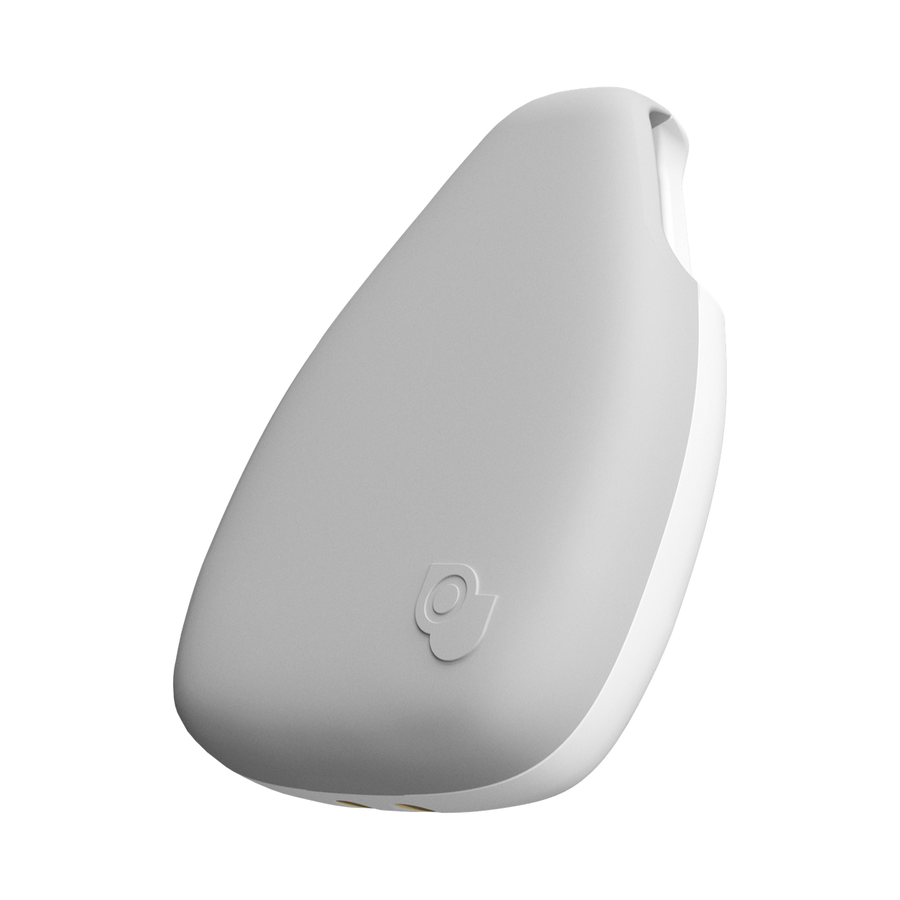 Jiobit Gen 3Editorial best overall Jiobit Gen 3Editorial best overall | $129.99 | $10.42 to $14.99 | Real-time tracking, daily wear, long battery |
| 02 |  AngelSenseBest for dementia / wandering AngelSenseBest for dementia / wandering | Free w/ contract or $229 | $44.99 to $64.99 | Tamper-proof + two-way voice |
| 03 |  GPS SmartSoleBest hidden tracker GPS SmartSoleBest hidden tracker | $229.00 | $49 | Wearer who removes visible devices |
| 04 | 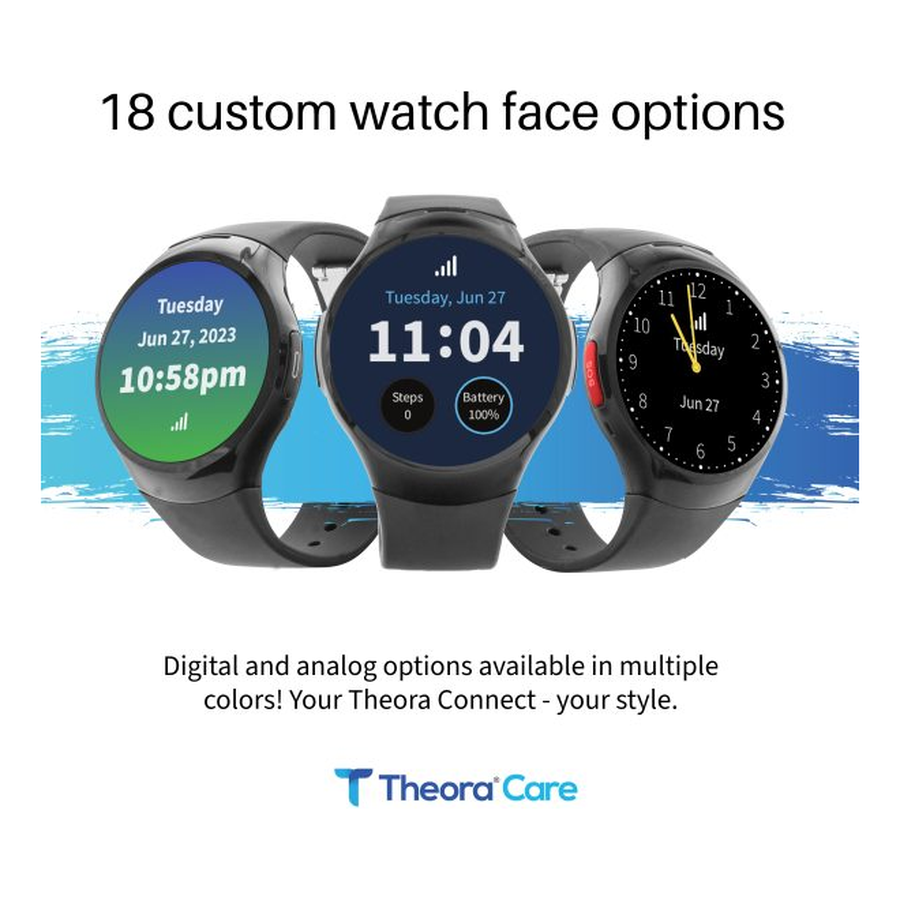 Theora ConnectBest smartwatch for dementia Theora ConnectBest smartwatch for dementia | $247.97 | $29.97 (+$10 fall) | Looks like a normal watch + locking clasp |
| 05 | 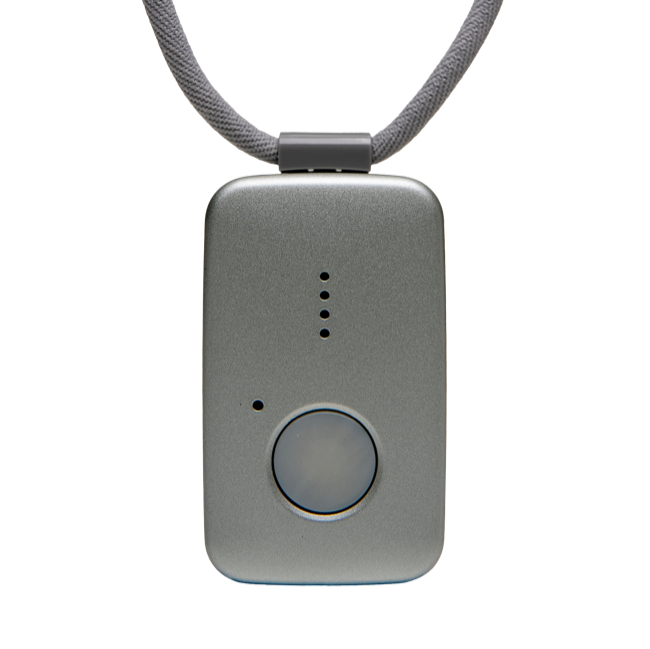 Medical Guardian MGMiniBest mobile medical alert + GPSMedical-alert + GPS Medical Guardian MGMiniBest mobile medical alert + GPSMedical-alert + GPS | $149.95 | $39.95 | Combined fall detection + GPS |
| 06 | 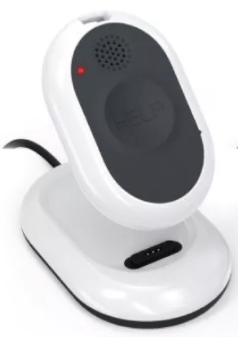 Bay Alarm Medical MobileBest for independent parentsMedical-alert + GPS Bay Alarm Medical MobileBest for independent parentsMedical-alert + GPS | $149 | $34.95 to $59.95 | SOS-first, GPS-second, autonomy-friendly |
| 07 | 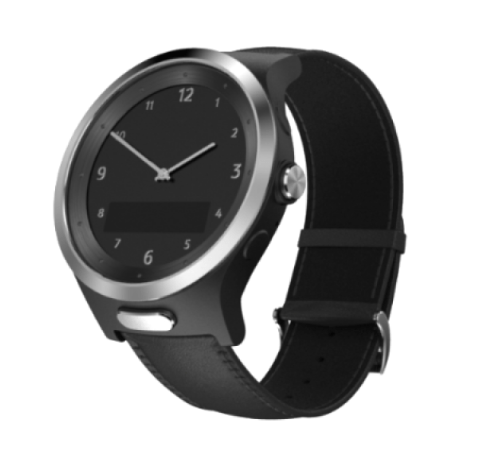 Tranquil GPS WatchBest premium-style watchBuy or rent Tranquil GPS WatchBest premium-style watchBuy or rent | $945 buy / rent $149+/mo | $44.95 (buyers) | Luxury aesthetic, week-long battery |
| 08 | 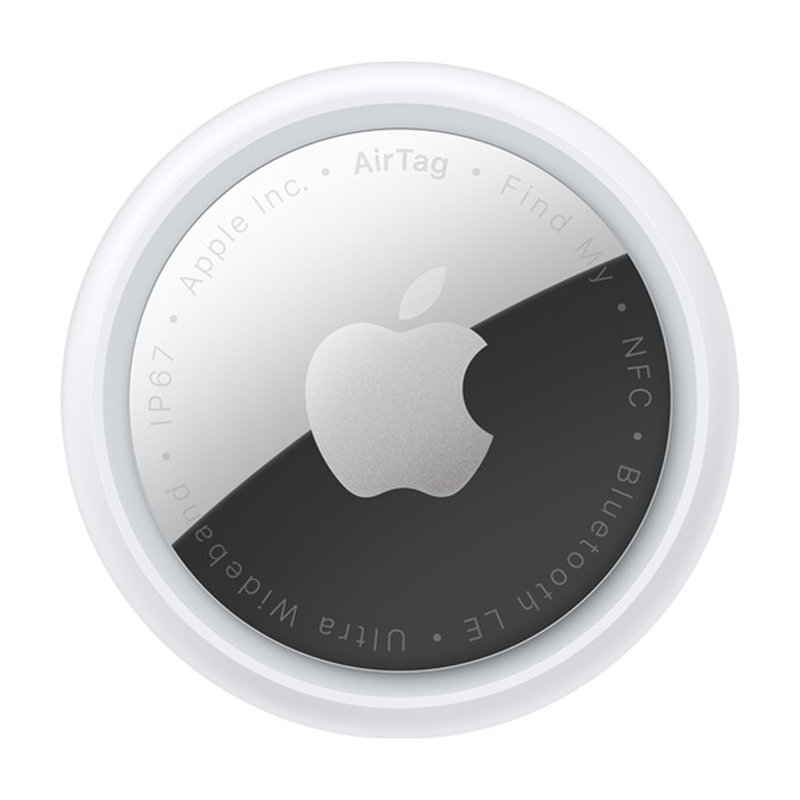 Apple AirTag 2Best Bluetooth backupBluetooth · no GPS Apple AirTag 2Best Bluetooth backupBluetooth · no GPS | $29 | No subscription | Wallet / keys / coat backup layer |
Subscription costs verified July 2026. Always check the brand site for current pricing before ordering.
How We Evaluated and Picked the Best GPS Trackers
We started with a market audit of 18 trackers marketed for older adults, dementia care, wandering, medical alerts, or personal safety.
We removed vehicle-only and asset-only devices, products relying on obsolete cellular networks, and older hardware that had been replaced by newer models.
From there, we focused on systems built for cognitive decline and senior safety. Each pick was checked against public technical specs, manufacturer documentation, user manuals, hardware reliability history, and verified caregiver reviews.
Our Evaluation Criteria
| Criteria | What we looked for | Why it matters for caregivers |
|---|---|---|
| Location accuracy | Precision across cellular, GPS, and Wi-Fi networks (within 30m outdoors, 50m indoors). | Ensures you can pinpoint your loved one's exact location during a wandering event. |
| Update frequency | Rapid, continuous location pings during active "live" tracking modes. | Prevents location data from becoming stale when someone is actively moving. |
| Geofence latency | Minimal delay between a wearer crossing a safety boundary and the smartphone alert. | Gives you immediate notification the moment a loved one leaves a safe zone. |
| Battery performance | Realistic daily operational lifespans under mixed passive and live tracking usage. | Ensures the device won't die unexpectedly when it is needed most. |
| Tamper resistance | Secure attachment mechanisms that prevent easy removal or power-downs. | Critical for wearers with cognitive decline who may try to take the tracker off. |
| Indoor performance | Strong structural signal penetration using local Wi-Fi hotspots and cell towers. | Maintains tracking capabilities even when line-of-sight satellite GPS is blocked. |
| Subscription transparency | Fully visible, upfront monthly service connection fees and hardware costs. | Eliminates unexpected contract terms or hidden fees at checkout. |
The 8 Picks, Reviewed
Eight devices, researched and ranked for real caregiving situations, from the everyday default to the specialist options.
Jiobit Gen 3
Editorial best overall- Device$129.99
- Subscription$10.42/mo (1-year pre-pay) or $14.99/mo (month-to-month)
- BatteryUp to 1 week typical, up to 30 days power-save
- CoverageUS and over 120 countries
Verified July 2026
The Jiobit Gen 3 is our editorial best overall pick for 2026 for caregivers who need real-time cellular tracking without committing to a heavily medicalized product.
Owned by Life360 since September 2021, Jiobit operates on consumer-grade infrastructure that is noticeably more responsive than smaller startup trackers.
What we like
- Live View updates every 10 seconds. This is meaningfully faster than the typical floor on competitors and matters acutely in an active wandering situation.
- Up to 1 week of battery life in typical use, and up to 30 days in optimal power-save mode. This ensures that missed charge days do not immediately end in dead trackers.
- Small enough to clip discreetly. Dimensions are 1.96 by 1.45 by 0.47 inches, weighing 18 grams. It attaches to a belt loop, a pocket, a shoelace, or a collar, meaning the wearer typically does not notice it.
- Multi-caregiver Care Team support. Siblings, a spouse, or a professional caregiver can each get their own login and live view without sharing a single account.
What to watch for
- Subscription required. The device requires a data plan to stay connected; budget for the initial device price plus the selected subscription plan.
- International usage parameters. While it covers over 120 countries for travel, permanent use outside the US can face service limitations.
- Wearer removal. A determined wearer can remove the tracker. For advanced dementia where removal is a frequent issue, specialized alternatives like GPS SmartSole or AngelSense may fit the use case better.
AngelSense
Best for dementia and wandering- DeviceFree with contract or $229 retail
- Subscription$44.99/mo (annual), $49.99/mo (1-year contract), or $64.99/mo (month-to-month)
- BatteryUp to 24 hours (GPS4 device) or 16 hours (Watch)
- Coverage4G LTE nationwide
Verified July 2026
AngelSense is built specifically for the use case other trackers treat as a side market: wandering. The device is tamper-proof by design (requires a magnetic key to remove from its locking belt fastener), and the platform around it, two-way auto-answer speakerphone, "unknown place" alerts, full daily timeline of every location and stop, is shaped by the specific needs of dementia and special-needs care.
For families navigating an Alzheimer's diagnosis specifically, our Alzheimer's 101 Checklist pairs well with this guide.
What we like
- Tamper-proof. Secures to clothing using specialized fasteners that can only be removed with the included magnetic key.
- Auto-answer voice. The two-way speakerphone answers automatically, allowing you to speak to your loved one immediately.
- Proactive alerts. Logs daily timelines and sends immediate notifications if the wearer enters an unknown place.
- Setup support. Includes a free phone consultation with a customer service specialist to guide configuration.
What to watch for
- Frequent charging. Continuous tracking limits operation to 16 to 24 hours, making daily charging mandatory.
- Premium pricing. Subscription tiers are higher than basic trackers to cover the constant data stream and voice features.
- Add-on accessories. Specialized clothing items, like lockable belts or undershirts, must be purchased separately.
GPS SmartSole
Best hidden tracker- Device$229.00
- Subscription$49/mo (monthly) or $429/yr (annual)
- Battery24 to 96 hours (2 to 4 days depending on usage)
- Coverage4G cellular networks nationwide
Verified July 2026
GPS SmartSole is the answer to a specific, difficult problem: the wearer removes every visible device. A watch comes off. A clip-on goes in a drawer. A belt-mounted unit gets unclipped.
SmartSole hides inside the shoe, a GPS module embedded into a custom insole, and the wearer puts on their shoes without thinking about it. If shoes are part of the routine, so is the tracker.
What we like
- Invisible placement. Concealing the tracker inside the shoe avoids wearer resistance and prevents accidental or deliberate removal.
- Proactive monitoring. Supports unlimited customizable geofencing zones, sending automated text or email alerts when boundaries are crossed.
- Wireless charging. Uses an included inductive charging pad, ensuring the water-resistant polyurethane seal remains completely intact.
What to watch for
- The single-shoe constraint. The tracking system relies on the user wearing the specific footwear containing the insoles. Switching shoes leaves the tracker behind unless the insoles are manually moved.
- Frequent charging routine. While optimal battery life can reach 96 hours, daily overnight charging is recommended to handle heavy motion drain.
- Insole thickness. The arch section measures 0.5 inches thick, which typically requires loosening laces or pairing the insoles with a slightly wider shoe style.
Theora Connect
Best smartwatch for dementia- Device$247.97 (plus $39.97 activation fee)
- Subscription$29.97/mo (Standard Service)
- Battery18 to 24 hours
- Coverage4G LTE on AT&T and T-Mobile networks
- Fall detectionOptional add-on for $10.00/mo
Verified July 2026
Theora Connect is the answer to a different version of the removal problem: the wearer doesn't reject all devices, they reject anything that looks medical. A watch is familiar. A watch is socially normal. People put on watches without protesting.
Theora leans into this, the device looks like a regular smartwatch and reads as one to the wearer, while functioning as a full cellular GPS tracker, geofence alert system, and two-way speakerphone for the caregiver.
What we like
- Familiar styling. The device mirrors a conventional smartwatch, reducing wearer resistance and eliminating the look of a medical tracker.
- Tamper resistance. Caregivers can purchase an optional locking clasp and removal tool for $49.97 to ensure the device stays on the wrist.
- Hands-free communication. The Quik Connect auto-answer feature lets caregivers speak to the wearer immediately without requiring them to press any buttons.
- Predictive fall monitoring. The optional AI-driven fall application features a greater than 95% accurate false-positive rating to distinguish actual falls from daily movements.
- Ecosystem options. The platform supports integration with matching motion-activated door alarms to flag potential home elopements.
What to watch for
- Daily charging routine. The 18 to 24-hour runtime requires an established daily charging schedule to avoid a dead battery.
- Insurance limitations. Theora Connect is not included on the reimbursement lists for Medicare or Medicaid as of 2026, though select senior living and nonprofit partnerships offer localized subsidies.
Pair the watch with a home safety walkthrough
Pairing the watch with a thorough home safety walkthrough, securing loose rugs, marking exits, and minimizing fall hazards, meaningfully reduces the in-home risks the watch is designed to flag.
Medical Guardian MGMini
Best mobile medical alert + GPS- Device$149.95
- SubscriptionStarts at $39.95/mo (annual plan) or $43.95/mo (monthly plan)
- BatteryUp to 5 days
- Coverage4G LTE nationwide
- Fall detectionOptional add-on for $10.00/mo
Verified July 2026
Medical Guardian is medical-alert-first, GPS-second, which is the right framing for a large slice of this audience. Many caregivers think they need a GPS tracker when what they actually need is a wearable SOS button with location reporting.
MG's product line spans clip-on (MGMini, Mobile Guardian 2.0) and smartwatch (MG Move) form factors, all with 24/7 monitored emergency response built in.
What we like
- Rapid emergency connection. Pressing the central help button connects the wearer to a certified emergency dispatcher in as little as 8 seconds.
- Versatile wearing options. The device includes an interchangeable belt clip and neck lanyards, adapting easily to individual user habits.
- Shower-safe design. It features an IP67 water-resistance rating, meaning it can be safely worn in the shower where falls frequently occur.
- Caregiver app access. The MyGuardian portal allows families to perform on-demand location checks and receive instantaneous alerts during emergencies.
What to watch for
- On-demand location updates. Unlike specialized wandering trackers that update continuous live paths every few seconds, this GPS feature is intended for periodic location tracking and dispatch routing.
- Add-on feature expenses. Key capabilities, such as automatic fall detection and enhanced care circle text notifications, require additional monthly fees.
Related guide
For a deeper look at the home-based side of the same category, see our roundup of the best medical alert systems.
Bay Alarm Medical Mobile
Best for independent parents- Device$149 retail
- SubscriptionStarts at $34.95/mo (Standard), $44.95/mo (with Fall Detection), or $54.95 to $59.95/mo (360 Bundles)
- BatteryUp to 72 hours (SOS All-In-One 2) or 36 hours (SOS Micro)
- Coverage4G LTE nationwide via AT&T or Verizon
Verified July 2026
Bay Alarm Medical sits in the same medical-alert-first category as Medical Guardian but at a more accessible price point. The on-the-go help button is small, wearable around the neck or on a belt clip, with optional auto-fall detection and 24/7 monitoring through a US-based dispatch center.
What we like
- Affordable monitoring. Plan subscriptions start at $34.95 per month with no long-term contracts.
- Strong battery choices. Opting for the SOS All-In-One 2 model provides up to 72 hours of operation per charge.
- Flexible plan tiers. Caregivers can easily add automatic fall detection or home base stations later as needs change.
What to watch for
- Emergency location tracking. The built-in GPS routes emergency assistance and allows periodic lookups rather than providing a continuous, real-time map stream.
- Upfront equipment fee. Accessing the service requires a $149 retail hardware purchase at the start.
- Bundle redundancy. The premium 360 Bundle features an added at-home base station, which might duplicate existing home protection systems.
Still living alone?
If a parent is still living alone and you're weighing whether in-home care might add a layer of human support alongside a tracker, that hub is a good starting point.
Tranquil GPS Watch
Best premium-style watch- Device$945.00 one-time purchase bundle (or available via rental options)
- Subscription$44.95/mo (billed annually) for buyers, or all-inclusive rental plans starting at $149/mo
- Battery7+ days
- Coverage4G cellular networks across the US, Canada, and Mexico
Verified July 2026
Tranquil makes the only luxury-style GPS watch in this category. The device is indistinguishable from a high-end watch, quartz movement aesthetics, real metal finishes, four color options. The price is what you'd expect for that.
The reason it's still in this guide despite being demoted from a top pick is that for a specific kind of wearer, one who would feel diminished by a clinical-looking device but is willing to wear a watch they're proud of, there isn't really a substitute.
What we like
- Exceptional battery life. Lasts an average of a full week on a single charge, removing the burden of daily charging.
- Dignified design. The classic wristwatch appearance improves user acceptance, making individuals much more willing to wear it.
- Intelligent SOS routing. The help button initiates a call that moves down a pre-programmed contact list sequentially, bypassing any automated voicemails until a live person answers.
- Two-way auto-answer speakerphone. Caregivers can call directly into the watch to communicate immediately without requiring the wearer to press a button.
- Advanced exit monitoring. Pairs with an included home Bluetooth beacon to send instant alerts the moment a loved one leaves the house.
What to watch for
- Premium cost structure. This choice represents a premium investment focused on personal dignity rather than budget value.
- Physical footprint. The watch face measures 1.8 inches in diameter, which may look somewhat large on petite wrists.
- No professional dispatch. Emergency alerts route directly to a designated family care circle rather than a third-party monitoring center.
Apple AirTag 2
Best Bluetooth backup- Device$29.00 (or $99.00 for a 4-pack)
- SubscriptionNone
- BatteryOver 1 year (user-replaceable CR2032 coin cell)
- CoverageApple Find My network
Verified July 2026
Released in January 2026, the second-generation AirTag features an upgraded Ultra Wideband chip for expanded Precision Finding range and a speaker that is 50 percent louder than the original version.
What we like
- Zero ongoing costs. Operating the tracker requires no recurring monthly subscription or data activation fees.
- Massive tracking ecosystem. Uses the global Find My network to update location data whenever any Apple device passes near the tag.
- Low maintenance. Run-time exceeds a standard calendar year, utilizing a simple coin cell battery that can be swapped out at home.
What to watch for
- Ecosystem dependence. Lacks independent cellular components. Location tracking depends entirely on the proximity of surrounding Apple devices, making it unreliable in remote areas.
- Anti-stalking security alerts. The device sounds a built-in chime and triggers automatic smartphone notifications when separated from its owner. This alert framework will notify the wearer or people around them that a tracker is present.
Different category
If you're looking for a similar low-cost tag for a dog or cat (a different category), our roundup of the best GPS trackers for pets covers those options separately.
Brand Comparison Table
The data has been updated to align with current 2026 specifications and official pricing models.
| Product | Connection type | Subscription | Battery | Geofencing | Fall detection | Water resistance | Removable by wearer | Best for |
|---|---|---|---|---|---|---|---|---|
| Jiobit Gen 3 | Cellular + Bluetooth + Wi-Fi | $10.42 to $14.99/mo | 5 to 7 days | Yes | No | Yes | Yes | Real-time, daily wear |
| AngelSense | 4G cellular | $44.99 to $64.99/mo | 16 to 24 hours | Yes | No | Yes | No (locking fasteners) | Dementia, wandering |
| GPS SmartSole | 4G cellular | $49.00/mo | 2 to 4 days | Yes | No | Yes | No (hidden in shoe) | Repeat removers |
| Theora Connect | 4G cellular | $29.97/mo | 18 to 24 hours | Yes | Yes (+$10/mo) | Splash | Optional locking clasp | Watch-friendly wearers |
| MG MGMini / Move | 4G cellular | $39.95 to $43.95/mo | Up to 5 days | On-demand | Yes (+$10/mo) | Yes | Yes | Medical alert + GPS |
| Bay Alarm Mobile | 4G cellular | $34.95 to $59.95/mo | Up to 72 hours | On-demand | Yes (+$10/mo) | Yes | Yes | Independent parents |
| Tranquil GPS Watch | 4G cellular | $44.95/mo buy · $149+/mo rent | 7+ days | Yes | No | Yes | Yes (lockable strap) | Luxury, dignity |
| Apple AirTag 2 | Bluetooth + Find My | No subscription | 1+ year | No | No | Yes | Yes | Belongings, backup |
All subscription and battery numbers verified July 5, 2026.
How GPS Trackers Actually Work
There are three completely different technologies behind devices that all call themselves "GPS trackers." If you only learn one thing before buying, learn this.
Standalone Cellular (the Right Choice for Dementia)
How it works: the device has its own cellular SIM (4G LTE in 2026). It calculates its location via GPS satellites and transmits that location over the cell network to your app, anywhere there's cell coverage.
You pay: the device ($100 to $400) and a monthly subscription ($8 to $40/month). Works: anywhere there's cell coverage in the country. Real-time. Rural areas usually fine. Geofence alerts work. Examples: Jiobit, AngelSense, GPS SmartSole, Theora Connect, Medical Guardian, Bay Alarm Medical, Tranquil.
Bluetooth / Crowd-Sourced (AirTag, Tile)
How it works: the device has no GPS and no cell radio. It pings short-range Bluetooth signals. When any other smartphone on the same network (Apple's Find My, or Tile's network) passes within about 30 meters, that phone reports the tag's location to the manufacturer's network, and you see the last-known location in your app.
You pay: $25 to $35 once. No subscription. Works: wherever lots of other compatible phones happen to be. Doesn't work in rural areas, in low-traffic facilities, or in real-time. The location you see is the last time another phone walked past, which could be minutes or hours ago. Examples: Apple AirTag (works only with iPhones), Tile (works with both iOS and Android Tile users).
Satellite Messengers
How it works: uses a satellite network instead of cell, so it works anywhere on Earth including remote wilderness. Designed for hikers, sailors, backcountry travelers.
You pay: device ($150 to $400) and a satellite subscription ($15 to $70/month). Works: literally anywhere outdoors. Doesn't work indoors. Usually overkill for elder tracking. Examples: Garmin inReach, SPOT X. Not reviewed here, wrong tool for elder care unless your parent backcountry skis.
The takeaway
For someone with dementia, only cellular trackers are reliable enough. Bluetooth trackers are useful as a $29 backup layer (something in the wallet alongside the primary device), but never as the primary safety tool. The next section addresses Apple AirTag specifically, because it's the single most-asked question on this topic in 2026.
A Direct Word on Apple AirTag
The Apple AirTag is $29, ubiquitous, and integrates seamlessly with iPhones. It is the product caregivers ask about most. Here is our straight answer on how it performs.
What AirTag Is Good For
- Tracking belongings. Perfect for a wallet, purse, keys, or cane. If your parent reliably carries the item, it tells you where that item, and likely your parent, is located.
- A backup layer. Pair an AirTag in a coat pocket with a dedicated cellular wrist tracker for low-cost, low-overhead redundancy.
- Short trips. Ideal for quick "last seen" checks during travel, family weddings, or day trips.
What AirTag Is Not Good For, and Why
For a parent with diagnosed dementia or a wandering risk, the AirTag has four critical limitations:
- No real-time tracking. AirTags lack GPS and cellular chips. They only update when a nearby iPhone passes within Bluetooth range (about 30 meters). In an emergency, location data can be hours stale.
- No geofence alerts. It will not proactively alert you when a parent leaves a designated home zone. You only find out something is wrong when you manually open the Find My app to check.
- Network dependent. Performance drops off sharply outside of dense, high-foot-traffic urban areas. Rural neighborhoods, parks, or quiet care facilities can cause massive tracking gaps.
- Anti-stalking triggers. AirTags are designed to prevent tracking without consent. They will send "moving with you" alerts to a parent's phone, or play a loud chime after a few hours of separation from your phone, which can cause severe confusion and agitation.
Our Verdict on AirTag
The AirTag is acceptable for tracking belongings, short-trip just-in-case scenarios, and serving as a $29 backup layer. However, it is not recommended as a primary safety tool for individuals with dementia or a history of repeated wandering. For that specific use case, every dollar saved on an AirTag is a dollar that should have gone toward a dedicated cellular tracker with active geofence alerts.
While the second-generation AirTag launched with an improved 60-meter Precision Finding range and a 50% louder speaker, these hardware upgrades only help locate a tag when you are already close to it. They do not address the foundational lack of built-in GPS, active cellular connectivity, or real-time geofencing. The exact same caregiver recommendation stands for both generations.
A Note on Privacy, Consent, and Dignity
Tracking a parent involves deep ethical and legal considerations, vastly different from choosing a simple smart-home device. The right approach depends entirely on their cognitive health.
Diagnosed Cognitive Decline
When a parent has a documented condition like Alzheimer's or dementia, GPS tracking becomes a safety necessity.
- The risk. The Alzheimer's Association notes that 60% of people with dementia will wander. Failing to use a tracker after a wandering episode is a significant safety risk.
- Legal grounding. If you hold a healthcare Power of Attorney (POA), acting in their best interest generally puts you on solid legal ground in most states.
- Action steps. Consult their clinician, talk to your POA attorney if complications arise, and document the decision in writing.
Independent, Cognitively Intact Parent
Surveillance without consent erodes trust and faces legal hurdles. If a parent is capable of making decisions, partnership is the correct path.
- The compromise. Introduce a wearable medical alert watch with built-in GPS. They get an emergency SOS button, and you get location data.
- The framing. Focus on collaboration rather than monitoring. Covert tracking of a competent adult is highly discouraged.
Conversation Script
Using a trial period framework keeps the conversation collaborative:
Framing the request around your peace of mind rather than monitoring them usually leads to an agreement. The autonomy stays with them, the worry stays with you, and the device protects both.
Frequently Asked Questions
Does Apple AirTag work for tracking elderly parents with dementia?
No, avoid it as a primary safety tool. It lacks independent GPS and cellular hardware, relying entirely on nearby iPhones. This dynamic causes location delays and tracking dead zones in low-density or rural areas. It also lacks proactive geofencing alerts. However, at $29 with a year-long battery and zero fees, it works well as a backup layer for wallets or keys alongside a primary cellular tracker like Jiobit or AngelSense.
Do I need permission to put a GPS tracker on my parent?
Yes, for cognitively intact parents, consent is an ethical and legal requirement. Focus the conversation on personal safety and quick access to emergency help rather than monitoring. For parents experiencing advanced cognitive decline, particularly when a healthcare power of attorney (POA) is active, tracking is generally permissible to manage wandering risks. Consult a clinician or legal professional for complex situations. We have a 3-line script for the conversation above.
How accurate are GPS trackers for elderly parents?
Outdoor accuracy ranges from 5 to 15 meters, while indoor accuracy drops to 30 to 50 meters due to structural interference. Trackers blending GPS, Wi-Fi, and cellular triangulation (like Jiobit) maintain the strongest indoor performance. Bluetooth options like AirTags do not offer true real-time tracking.
What's the cheapest GPS tracker for the elderly?
Jiobit Gen 3 ($129.99 device, from $10.42/month) offers the lowest total cost for real-time cellular tracking. Apple AirTag 2 ($29, no subscription) represents the cheapest passive monitoring option but lacks real-time data streaming. See the AirTag section for caveats.
Are GPS trackers covered by Medicare or insurance?
Standard Medicare and Medicaid programs do not cover tracking hardware. However, alternative funding options include certain Medicare Advantage equipment stipends, select long-term care insurance policies, VA benefits, and state Medicaid waivers. HSA and FSA accounts generally cover these devices if accompanied by a physician's Letter of Medical Necessity.
What's the difference between a GPS tracker and a medical alert system?
GPS trackers stream real-time location coordinates directly to a caregiver smartphone application. Medical alert systems prioritize pairing a physical SOS button with a live emergency dispatch center. Hybrid options like the MGMini or Theora Connect feature both. Prioritize medical alerts for independent seniors and GPS trackers for wandering risks.
About the expert

Dan Fogarty has more than 12 years of experience in healthcare management and strategic communication. Dan earned his Master's in Health Communication from Johns Hopkins University and served as Chief Administrative Officer of the NIH Clinical Center and Chief Intramural AO for the National Heart, Lung and Blood Institute for 12 years. He is currently Senior Advisor for Strategic Operations, Management and Technology for SAMHSA. Dan is a Fellow of the American College of Healthcare Executives (FACHE, 2021), Adjunct Faculty at Massachusetts College of Pharmacy and Health Sciences (MCPHS), and an appointed member of his town's Commission on Disabilities.
Connect on LinkedIn
Lynda Menegotti is Editor at Caring Village, where she leads editorial standards and fact-checking across the site's caregiving and senior-health guides.
Sources
- Alzheimer's Association. Wandering and how to address it (60% of people with dementia will wander).
- National Institute on Aging (NIA). Wandering and Alzheimer's disease, caregiver guidance.
- Project Lifesaver International. Locating programs for individuals who wander.
- Area Agencies on Aging (Eldercare Locator), local assistance and program referrals.
- Medicare.gov, coverage guidance for durable medical equipment and devices.
All featured devices, subscriptions, and pricing were verified at the manufacturer's site within 30 days of publication; pricing, subscriptions, and availability subject to change.